Medical dermatology
History, examination and proportionate investigation for skin, hair and nail concerns.
- Acne
- Inflammatory skin conditions
- Pigmentation
- Skin infections
DN / 01 · Clinical assessment
Understand the concern, the clinical pathway and the role of technology before discussing a treatment direction.
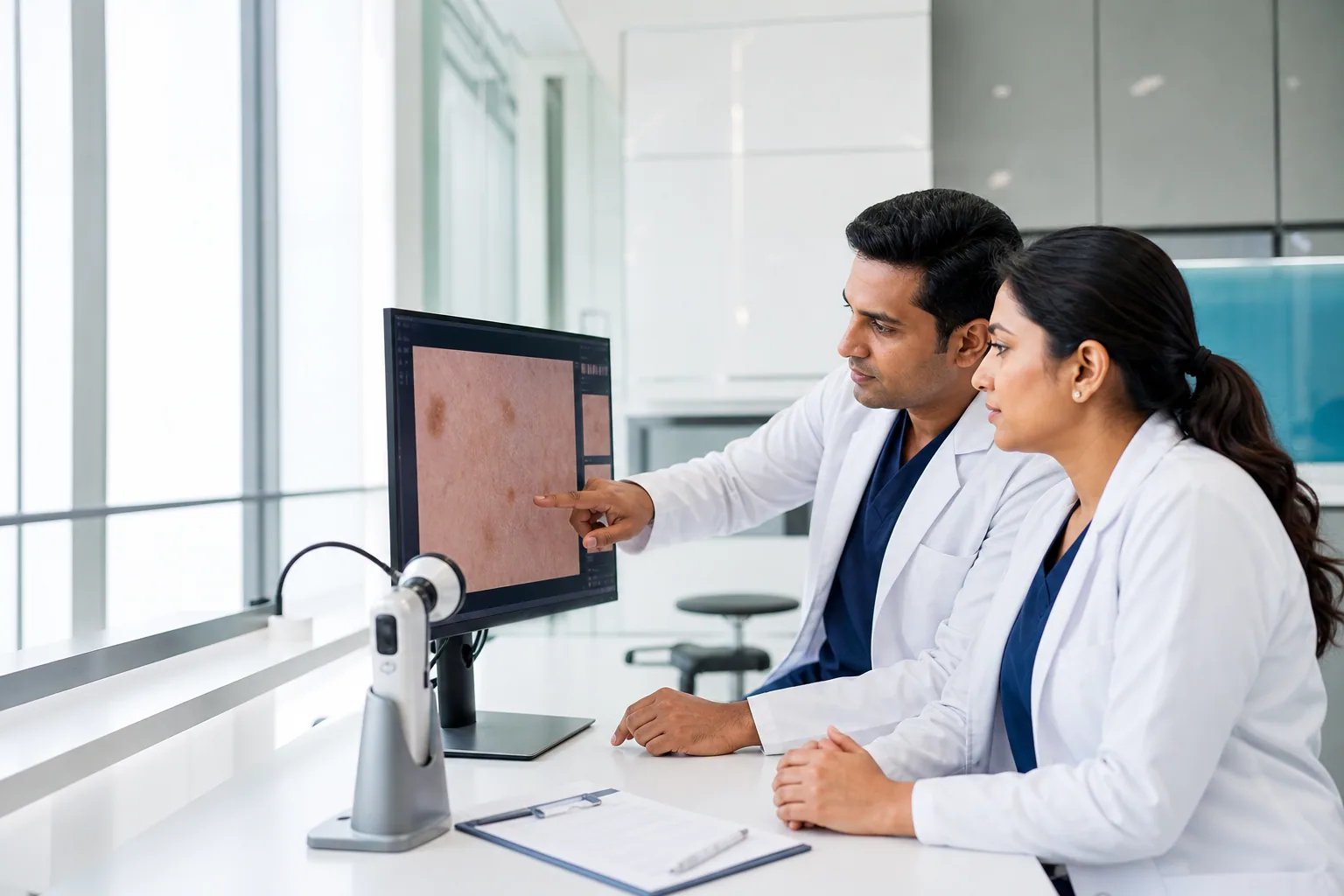
Technology supports—but never replaces—a doctor-led assessment.
DN / 02 · Care pathways
History, examination and proportionate investigation for skin, hair and nail concerns.
Suitability, preparation, doctor oversight, technique and review kept visibly connected.
DN / 03 · Condition matrix
General information pathway · Requires individual clinician assessment.
General information pathway · Requires individual clinician assessment.
General information pathway · Requires individual clinician assessment.
General information pathway · Requires individual clinician assessment.
General information pathway · Requires individual clinician assessment.
General information pathway · Requires individual clinician assessment.
DN / 04 · Assessment logic
Name the question in plain language.
Build clinical context and examine.
Use testing only where indicated.
Discuss appropriate options and limits.
Observe, review and adjust responsibly.
DN / 05 · Clinical roles

MBBS, MD Dermatology, Venereology & Leprosy · Medical Dermatology Lead
Dr. Kavya Sethi is a fictional medical-dermatology lead created to demonstrate clear clinical communication. Her profile emphasizes pattern, history and examination before treatment choice. She explains where tests or monitoring may add useful context and separates general skin-health decisions from elective procedure discussions. The tone is deliberately precise without becoming technical for its own sake, helping visitors see how a thoughtful assessment can reduce uncertainty.
A useful plan begins with the right clinical question.
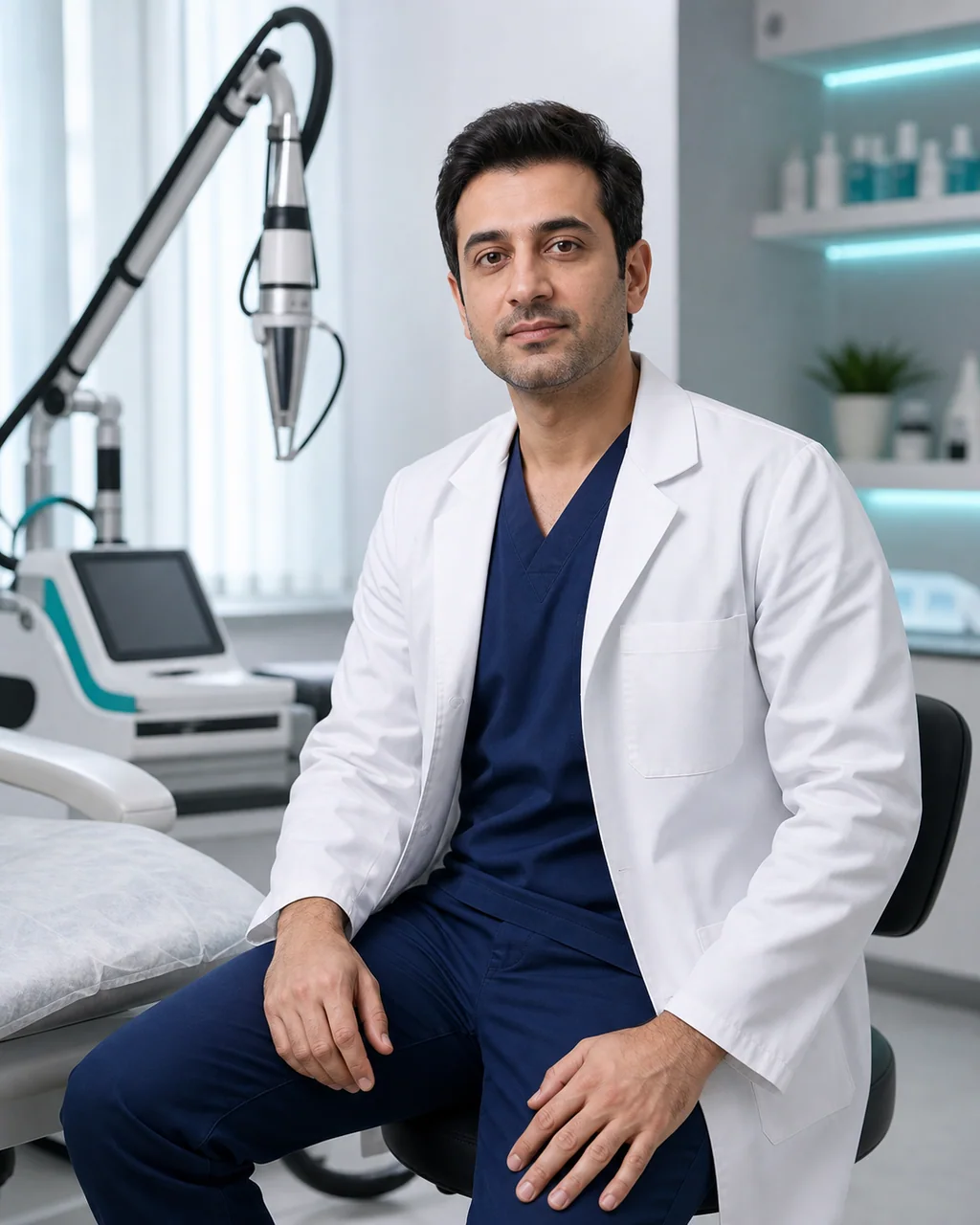
MBBS, DNB Dermatology · Procedural Dermatology Consultant
This fictional profile presents Dr. Nikhil Arora as a procedural dermatologist who places suitability, preparation and clinician oversight ahead of technology-led claims. He discusses why the same device or procedure may not be appropriate for every concern or skin type, and why aftercare and review belong in the treatment conversation. The profile is designed to make responsibility visible while keeping advanced care understandable.
Technology is useful only when indication, technique and follow-up align.
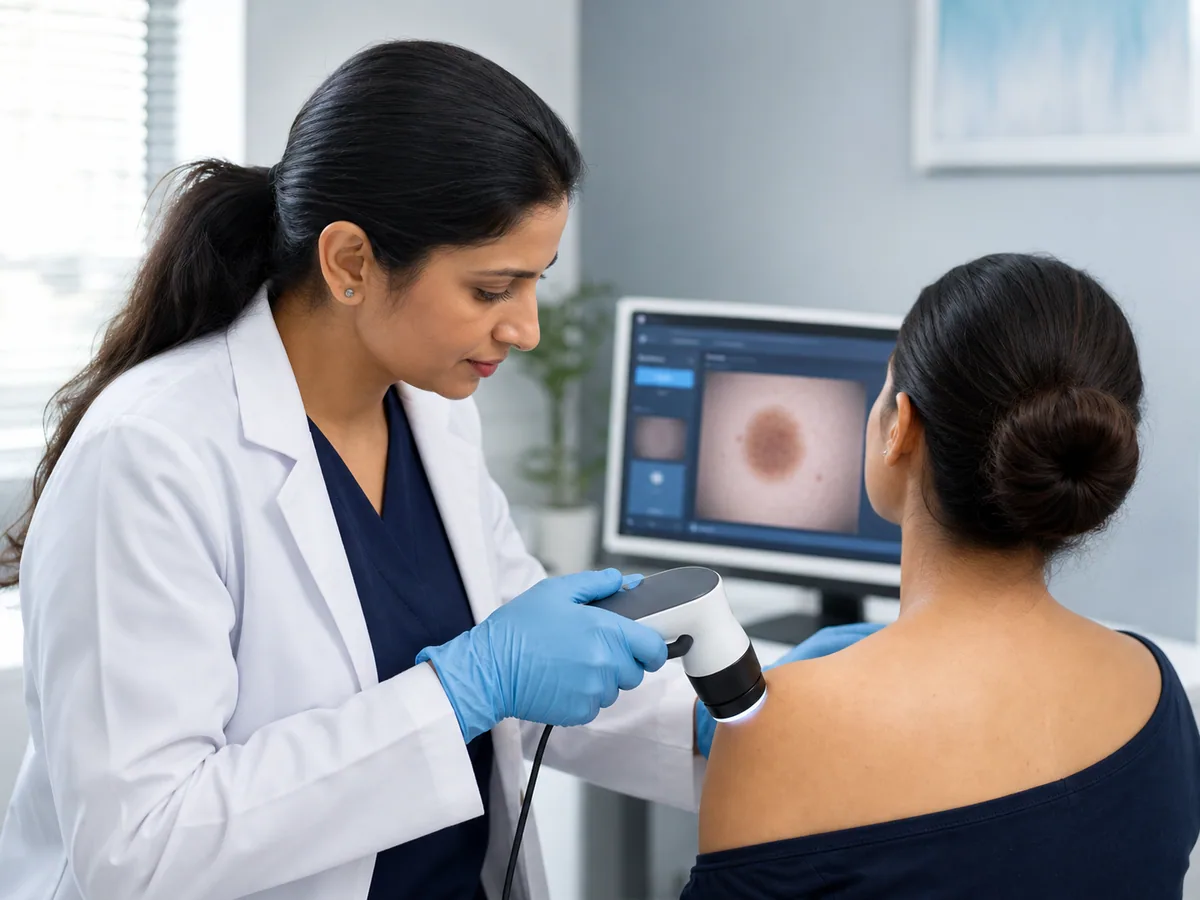
DN / 06 · Technology with context
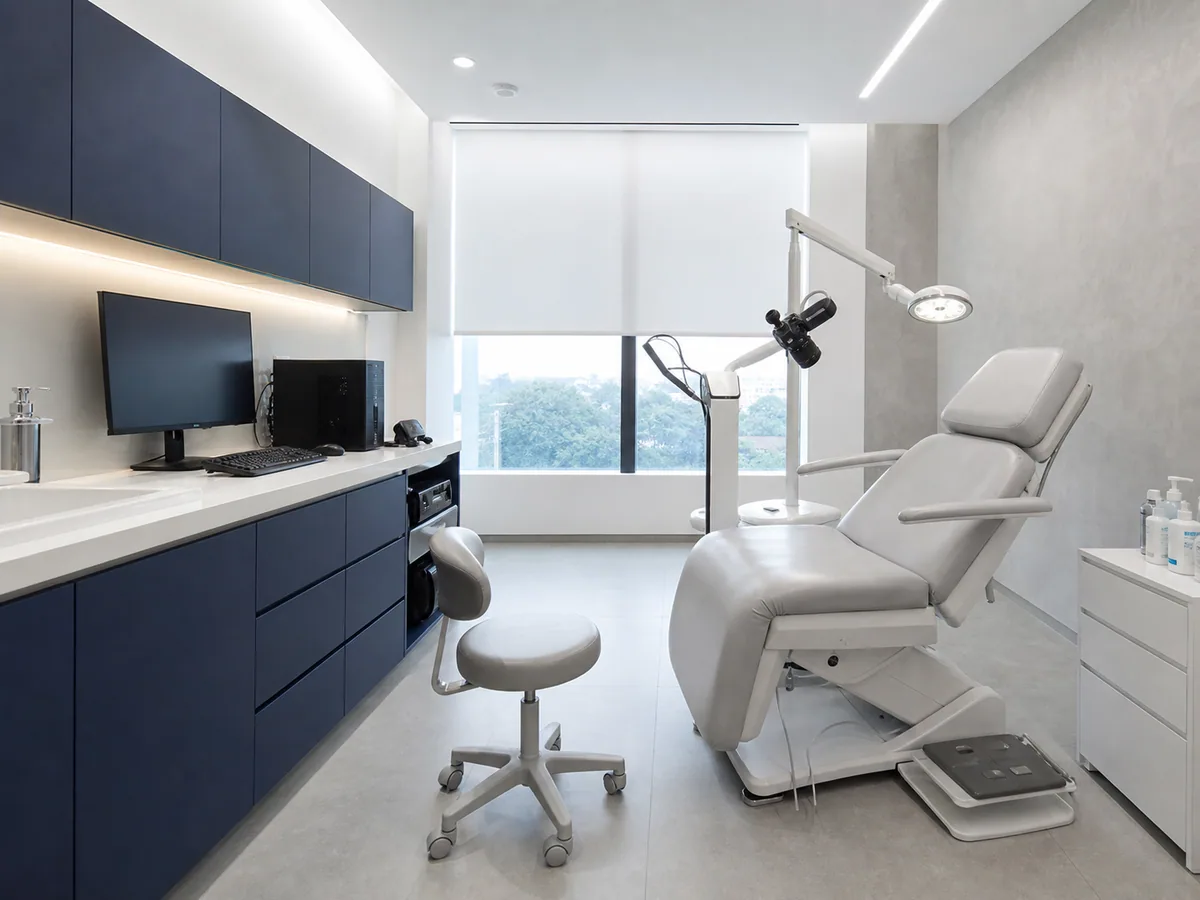
DN / 07 · Preparation
DN / 08 · FAQ
DN / 09 · Configure a real pathway
Adapt this system around verified services, technology, professionals and operational information.